What is photobiomodulation?
Photobiomodulation (PBM) uses specific wavelengths of red and near-infrared light, delivered at a low, gentle intensity, to the body or head. It doesn't produce heat, and it's also known as low-level light therapy (LLLT), low-level laser therapy, cold laser therapy, and red, green, violet and near-infrared light therapy.
These terms are often used loosely to mean the same thing, but there's an important technical difference worth knowing: some devices deliver light using LEDs (light-emitting diodes), while others use a true laser — a different light source. Lights On uses genuine laser technology, not LEDs.
Unlike surgical or cosmetic lasers, PBM devices work at gentle levels that don't cut, burn, or damage skin. Sessions are comfortable and non-invasive. As part of the Lights On Pathways Method, treatment time is used actively — light is delivered while your child works on motor or speech and language tasks, so the session doubles as useful therapy time.
The Lights On Pathways Method
Photobiomodulation is offered as an extra, supportive approach alongside — not a replacement for — proven speech and language therapy. Every child's plan is worked out specifically for them and carried out under clinical supervision, separate from standard HCPC/RCSLT-regulated speech and language therapy.
The name "Pathways" reflects how the nervous system works: as a network carrying signals between the brain, body, and gut, rather than one isolated site. That's why treatment isn't limited to the head — Hulya may also work with the body and digestive system, depending on what's relevant for that child.
A wide range of areas may be considered when building a plan, including late talking, expressive language, sleep, sensory-related feeding patterns, memory, emotional regulation, motor coordination, and behaviour. These inform the plan; PBM is never presented as proven to fix them, and it's never used alone or as a first port of call. It's one part of a wider plan, alongside direct speech and language therapy and, where relevant, your GP or other professionals.
This whole-body thinking also covers the gut-brain connection — a genuinely active area of research into how the gut and brain communicate. To build a fuller picture, Hulya may also draw on functional lab testing from one of the world's leading specialist labs. This isn't used to diagnose anything; it's one extra source of information feeding into the plan, alongside clinical observation and, where appropriate, your GP.
Led by advanced, hands-on experience
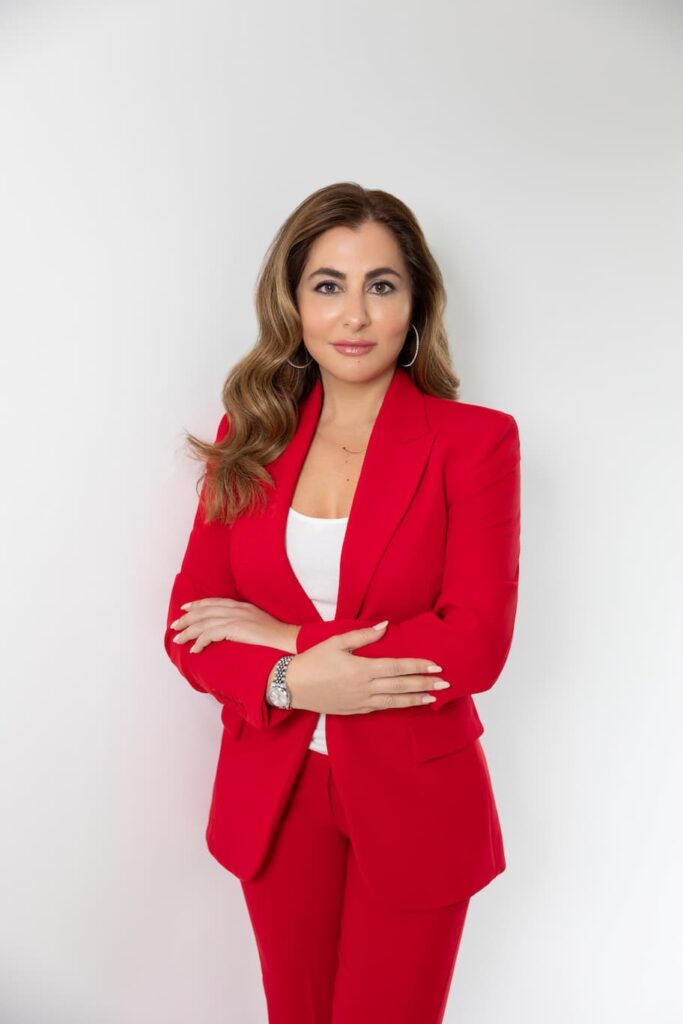
Hulya Mehmet
The Lights On Pathways Method is led by Hulya Mehmet, with over 25 years of clinical experience and the first, leading practitioner in the UK to bring advanced photobiomodulation expertise into work with children. She has completed hundreds of hours of hands-on PBM sessions, and refines her approach as a core, actively-practised part of her work. Hulya is regularly asked to act as an Expert Witness in SEND Tribunal cases and EHCP assessments across England and Wales, and is the author of Why Isn't My Child Talking? Her BSc (Hons) in Clinical Communication Science from City University (2001) covered neuroscience, linguistics, phonetics, and behavioural psychology, and still informs how she works today.
Light therapy and autism: what the research says
Many families come to Lights On searching specifically for light or laser therapy for autism and ADHD — a fair question that deserves a straight answer.
This is a genuinely active area of scientific interest. Several small studies have looked at whether light applied to the head (sometimes called transcranial photobiomodulation) may be linked to changes in attention, behaviour, sleep, and communication in autistic children, with some encouraging early findings. But the evidence is still at an early stage — these are relatively smaller studies, larger trials are needed, and photobiomodulation is not a recognised cure or stand-alone treatment for autism. Our Lights On Method is always offered as one part of a wider, individually considered plan, alongside speech and language therapy.
What does a session involve?
- A brief settling-in period
- Light applied to targeted areas for a set time, based on your child's plan
- No pain, heat, or sedation — your child stays actively involved, often working on motor or speech tasks during the session
- Ongoing review of progress alongside your child's wider therapy plan
Is it safe?
PBM devices follow specific safety limits, and each plan is worked out individually — factoring in things like age and weight — rather than applied the same way to everyone. Lights On uses top-of-range, FDA-cleared medical laser devices, and every plan is developed and reviewed under clinical supervision.
If you're considering PBM for your child, it's worth asking any provider: who oversees the plan and what are their qualifications, how is the amount of light worked out for your child, how does it fit with existing therapies, and what progress is being tracked?
This page is for general information only and is not a substitute for individual clinical advice. Please speak with a qualified professional about your child's specific needs.